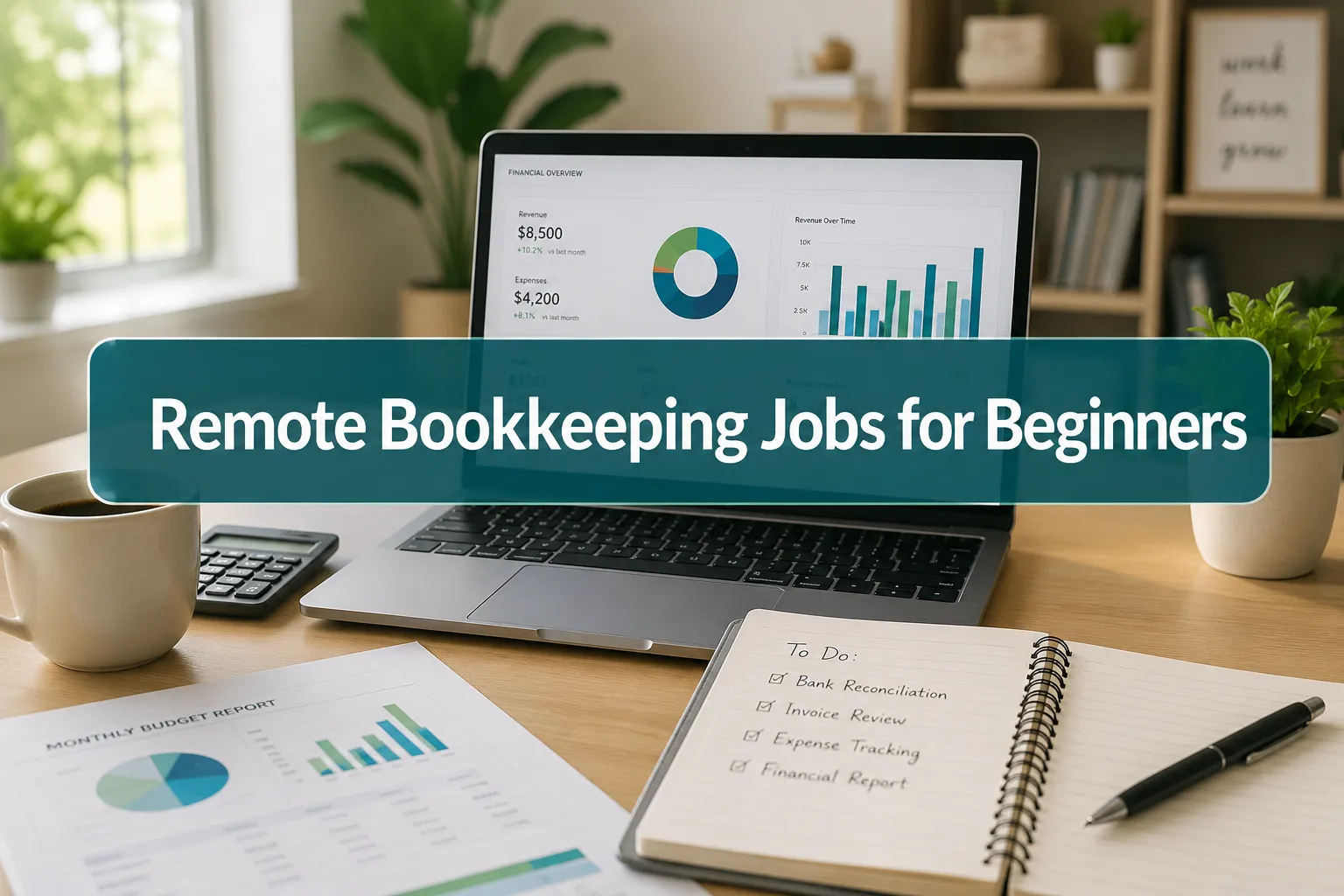
Many individuals assume that legitimate, well-paying remote bookkeeping jobs are inaccessible without years of prior experience or a formal accounting degree. However, this is a misconception; the digital transformation of financial services has created numerous entry-level opportunities for motivated beginners to secure legitimate remote bookkeeping jobs, often requiring only foundational training and a strong aptitude for numbers. These roles frequently involve managing basic financial records, reconciling accounts, and preparing reports for small businesses or individuals, which are skills readily attainable through online courses and certifications.
Key Takeaways
- Entry-Level Accessibility: Many remote bookkeeping jobs are available to beginners with no prior professional experience, provided they acquire fundamental skills.
- Essential Skills: Success in these roles requires attention to detail, organizational skills, proficiency in basic accounting software (e.g., QuickBooks, Xero), and strong communication abilities.
- Training Pathways: Online courses, certifications (like those from NACPB or AIPB), and free resources can adequately prepare individuals for entry-level bookkeeping jobs.
- Finding Opportunities: Platforms like Upwork, Fiverr, Indeed, and specialized bookkeeping agencies are excellent places to find remote bookkeeping positions.
- Building Experience: Starting with smaller clients, pro bono work, or virtual assistant roles focused on financial tasks can help beginners build a portfolio.
- Setting Rates: Beginners should research market rates for entry-level services, often starting lower to gain experience and gradually increasing as their expertise grows.
- Home Office Setup: A reliable computer, stable internet, and a dedicated workspace are crucial for remote bookkeeping.
- Continuous Learning: The accounting field is dynamic, so ongoing education in new software, tax laws, and financial practices is vital for career growth.
- Self-Employment Potential: Many remote bookkeepers operate as independent contractors, offering flexibility and control over their workload.
Can I Really Get Remote Bookkeeping Jobs as a Beginner with No Experience?
Yes, you absolutely can secure legitimate remote bookkeeping jobs as a beginner, even without traditional prior experience, by focusing on acquiring essential skills and understanding the current market demands. The key is to demonstrate foundational knowledge and a commitment to learning rather than relying solely on a long resume. Many small businesses and startups prioritize efficiency and cost-effectiveness, making them open to working with dedicated beginners who offer competitive rates and fresh perspectives.
My own journey into remote work started not with a direct bookkeeping role, but by offering administrative assistance that included basic financial data entry. I remember one of my first clients, a small e-commerce store, was overwhelmed with tracking sales and expenses. I volunteered to organize their receipts into a simple spreadsheet and reconcile their bank statements weekly. This wasn’t a “bookkeeping job” by title, but it was the start. It showed me that businesses often just need someone reliable to handle the nitty-gritty financial tasks, and if you can prove you’re that person, formal experience becomes less important than your willingness to learn and be meticulous. From there, I gradually took on more complex tasks, eventually leading to full-fledged bookkeeping responsibilities.
Why Beginners Are Being Hired for Remote Bookkeeping Jobs
- Cost-Effectiveness: Small businesses often prefer hiring beginners or independent contractors at lower rates than experienced professionals, especially for routine tasks.
- Technology-Driven: Modern bookkeeping relies heavily on software like QuickBooks Online and Xero, which are user-friendly and can be learned relatively quickly, leveling the playing field for newcomers.
- Specialized Niches: There’s a growing demand for bookkeepers specializing in specific industries (e.g., e-commerce, real estate, freelancers) or using particular software. Beginners can train to fill these niche roles.
- Flexibility and Scalability: Remote work models allow businesses to onboard bookkeepers for specific projects or part-time hours, making it easier to integrate new talent.
- Focus on Aptitude: Employers increasingly look for candidates with strong analytical skills, attention to detail, and a proactive attitude, which can be demonstrated even without formal experience.
What Essential Skills Do I Need to Start in Remote Bookkeeping Jobs?
To successfully land and excel in remote bookkeeping jobs, you need a combination of fundamental accounting knowledge, technical proficiency, and strong soft skills. While extensive experience isn’t required to start, mastering these core competencies will make you a highly desirable candidate. These skills form the backbone of managing financial records accurately and efficiently for any business.
Core Bookkeeping Competencies
- Understanding Basic Accounting Principles: Familiarity with concepts like debits and credits, the accounting equation (Assets = Liabilities + Equity), and financial statements (Profit & Loss, Balance Sheet) is crucial. You don’t need a CPA, but a solid grasp of these basics is non-negotiable.
- Proficiency in Bookkeeping Software: Becoming adept at using industry-standard software is paramount.
- QuickBooks Online (QBO): The most popular choice for small businesses. Many roles specifically ask for QBO experience.
- Xero: Another widely used cloud-based accounting platform, particularly common in specific industries or regions.
- Other Tools: Familiarity with FreshBooks, Wave, or even advanced Excel skills can also be beneficial, depending on the client.
- Data Entry and Organization: Meticulously entering financial transactions, categorizing expenses, and maintaining organized digital records are core daily tasks.
- Bank Reconciliation: The ability to match bank statements with company records to ensure accuracy and identify discrepancies.
- Accounts Payable and Receivable: Understanding how to track money owed to the business (receivables) and money the business owes (payables).
- Payroll Processing (Basic): Some entry-level roles might involve basic payroll tasks, though often this is handled by specialized services or more senior bookkeepers.
Soft Skills for Remote Bookkeeping Jobs

- Attention to Detail: Bookkeeping demands precision. A single misplaced decimal or miscategorized transaction can have significant repercussions.
- Organizational Skills: Managing multiple client accounts, deadlines, and a high volume of data requires excellent organization.
- Communication Skills: You’ll need to communicate clearly and concisely with clients, explaining financial reports or asking for missing information. This includes both written and verbal communication.
- Time Management: As a remote bookkeeper, you’re responsible for managing your own schedule and ensuring tasks are completed on time, especially if working with multiple clients.
- Problem-Solving: Identifying discrepancies in financial records and figuring out why they occurred is a common part of the job.
- Trustworthiness and Confidentiality: You will be handling sensitive financial information, so integrity is absolutely essential.
How Can I Acquire Bookkeeping Skills Without Formal Experience?
Acquiring the necessary bookkeeping skills without formal work experience is highly achievable through a combination of structured learning, practical application, and self-study. Many resources cater specifically to beginners, enabling you to build a strong foundation and confidence. The key is to be proactive and consistent in your learning efforts.
Online Courses and Certifications for Remote Bookkeeping Jobs
Online platforms offer comprehensive training that can validate your skills and prepare you for real-world tasks.
- Coursera, Udemy, edX: These platforms host numerous courses taught by professionals. Look for introductory bookkeeping courses, QuickBooks certifications, or general accounting fundamentals. Many offer certificates of completion that you can add to your resume.
- Bookkeeper Launch (now Bookkeepers.com): This program is specifically designed to train individuals to become virtual bookkeepers and start their own bookkeeping businesses. It’s often cited as a robust option for career changers.
- NACPB (National Association of Certified Public Bookkeepers): Offers certifications like the Certified Public Bookkeeper (CPB), which demonstrates a high level of competency. While it requires passing an exam, the study materials provide comprehensive training.
- AIPB (American Institute of Professional Bookkeepers): Their Certified Bookkeeper (CB) program is another industry-recognized credential that enhances credibility.
- Software-Specific Certifications: QuickBooks Online Accountant certification is highly valuable, as many small businesses use QBO. Xero also offers partner programs and certifications. These often include free training modules.
My advice to a friend looking to get into bookkeeping jobs would be to pick one primary software, like QuickBooks Online, and become truly excellent at it. Instead of trying to learn everything at once, focus on mastering the most in-demand tool. Once you’re certified in that, it’s much easier to branch out. I recall a mentee who struggled to find her first client until she focused exclusively on becoming a QBO expert. After that, she started attracting small businesses who specifically needed QBO help.
Practical Experience and Practice
- Practice with Free Software Trials: QuickBooks Online, Xero, and Wave Accounting all offer free trials or sandbox environments. Use these to practice data entry, reconciliation, and report generation.
- Volunteer or Pro Bono Work: Offer to manage the books for a small non-profit, a friend’s struggling startup, or a family member’s side hustle. This provides invaluable real-world experience and testimonials.
- Simulated Projects: Some online courses include simulated client projects that mimic actual bookkeeping scenarios, giving you hands-on experience without real client data.
- Virtual Assistant Roles with Financial Tasks: Look for virtual assistant positions that specifically list duties like expense tracking, invoicing, or receipt management. This can be a stepping stone. (You can explore “Best Virtual Assistant Jobs For Beginners In 2026” for more ideas.)
Self-Study Resources
- YouTube Tutorials: Many accountants and bookkeepers share free tutorials on specific software features, accounting concepts, and best practices.
- Blogs and Articles: Financial blogs and industry publications often provide free guides and insights into bookkeeping processes and industry trends.
- Books on Basic Accounting: Consider picking up a highly-rated textbook or introductory guide to accounting to solidify your theoretical understanding.
By combining these methods, you can build a robust skill set and a compelling narrative for potential clients, proving that you have the capability, even if you lack traditional experience.
Where Can Beginners Find Legitimate Remote Bookkeeping Jobs?
Finding legitimate remote bookkeeping jobs as a beginner requires knowing where to look and how to present yourself effectively. The remote nature of these roles means you’re competing in a global marketplace, so leveraging the right platforms and networking strategies is key. There are various avenues, from freelance marketplaces to dedicated job boards, that cater to those seeking flexible, home-based opportunities.
Freelance Marketplaces
These platforms are excellent starting points for beginners to build a portfolio and gain initial client experience.
- Upwork: A popular platform where you can create a profile, showcase your skills, and bid on bookkeeping projects. Many clients specifically look for entry-level or virtual assistant help.
- Fiverr: While often associated with creative gigs, Fiverr also has a strong market for bookkeeping services, especially for micro-businesses needing specific tasks like “QuickBooks setup” or “bank reconciliation.” You can create specific “gigs” for your services.
- Freelancer.com: Similar to Upwork, it allows you to find a wide range of bookkeeping projects, from one-off tasks to ongoing contracts.
- PeoplePerHour: Focuses on connecting freelancers with businesses, offering opportunities for remote bookkeeping jobs.
General Job Boards
Don’t overlook traditional job boards; many companies now post remote positions.
- Indeed: Use keywords like “remote bookkeeper,” “entry-level bookkeeping,” “virtual accounting assistant,” or “bookkeeping assistant.” Filter by “remote” or “work from home.”
- LinkedIn Jobs: Leverage LinkedIn’s networking capabilities. Many companies post remote accounting and bookkeeping positions here. You can also connect with recruiters and accounting firm owners.
- FlexJobs: A subscription-based platform specializing in remote and flexible jobs, often featuring vetted opportunities.
- Remote.co & We Work Remotely: Dedicated remote job boards that frequently list bookkeeping and financial assistant roles.
Specialized Bookkeeping and Accounting Firms
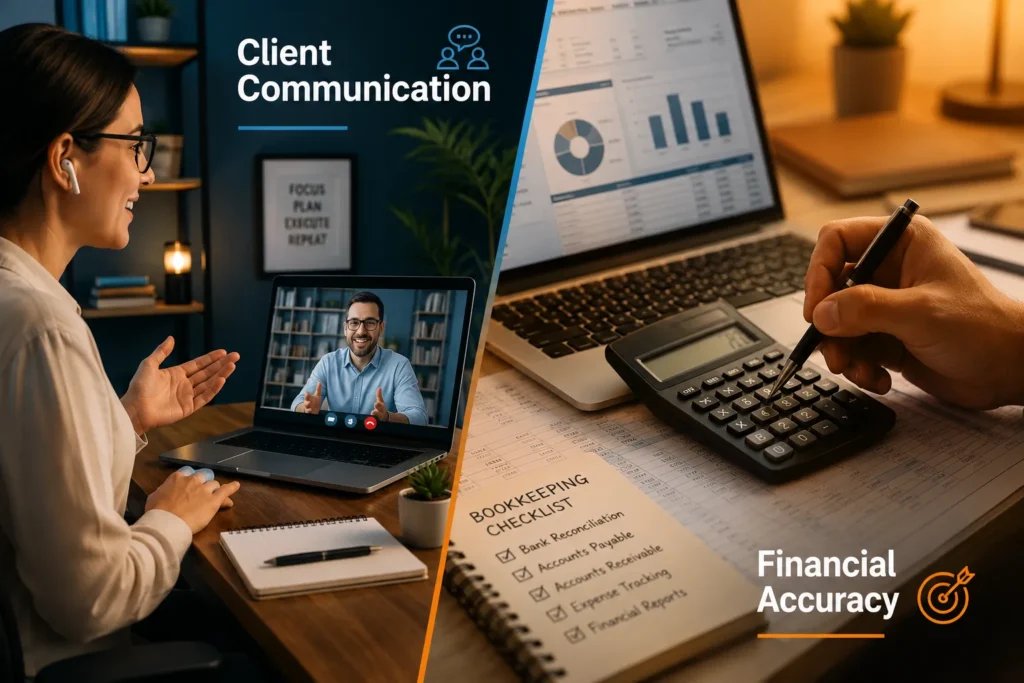
Many modern accounting firms operate fully remotely and are often looking for entry-level talent to support their senior bookkeepers and accountants.
- Virtual Bookkeeping Companies: Search for “virtual bookkeeping services” or “remote accounting firms.” Many of these firms hire and train their own entry-level staff.
- Accounting Networks: Some accounting professional organizations have job boards or directories where members can find or post opportunities.
Networking and Direct Outreach
Sometimes the best opportunities come from direct connections.
- Local Small Businesses: Even if they don’t have a remote “job” posted, a small local business might be open to a virtual arrangement if you approach them with a clear proposal for how you can help. Attend local business events (if comfortable) or connect via LinkedIn.
- Accountants and CPAs: Many CPAs get overloaded with client work and outsource basic bookkeeping to trusted individuals. Networking with local or virtual CPAs can open doors.
- Online Communities: Join Facebook groups or forums for bookkeepers, accountants, or small business owners. These can be great places to find leads, ask questions, and even directly offer your services.
When searching for legitimate remote bookkeeping jobs, remember to scrutinize job postings carefully. Be wary of opportunities that promise unrealistic pay for minimal effort, require upfront payments, or ask for personal financial information too early in the application process. Legitimate employers or clients will always prioritize your skills and professionalism.
What is the Earning Potential for Entry-Level Remote Bookkeeping Jobs?
The earning potential for entry-level remote bookkeeping jobs varies significantly based on factors such as your skill set, the complexity of tasks, your geographic location (even for remote roles, some clients align with local rates), and whether you work as an employee or an independent contractor. While you won’t start earning top-tier accountant salaries immediately, it’s a solid pathway to a respectable income.
Hourly Rates and Salary Estimates
- Independent Contractors/Freelancers: As a beginner, you might start charging $20 to $35 per hour. As you gain experience, specialized skills (e.g., QuickBooks Advanced Certification, specific industry knowledge), and a strong portfolio, this rate can increase to $40 to $75+ per hour. Many experienced independent bookkeepers package their services into monthly retainers, often ranging from $300 to $1,000+ per client, depending on the scope of work.
- Remote Employees (Entry-Level): If hired as a remote employee by an accounting firm or a single company, an entry-level bookkeeper’s salary could range from $30,000 to $45,000 per year in 2026. This often comes with the benefit of consistent hours, benefits (sometimes), and structured training. This is a general estimate and can fluctuate based on the company’s size, location, and the specific duties involved.
Factors Influencing Earning Potential
- Software Proficiency: Being highly proficient in popular software like QuickBooks Online or Xero can command higher rates.
- Niche Specialization: Specializing in a particular industry (e.g., e-commerce, real estate, non-profits, healthcare) can make you more valuable, as you understand the unique financial challenges of those businesses.
- Client Complexity: Working with larger businesses or those with more complex financial transactions (e.g., inventory management, multiple income streams) will generally pay more than simple cash-basis bookkeeping for a sole proprietor.
- Scope of Services: Offering additional services like payroll processing, sales tax filing, or basic financial analysis can increase your value and, therefore, your rates.
- Location of Clients: While you are remote, clients in areas with a higher cost of living or strong demand for skilled labor might be willing to pay more.
- Marketing and Sales Skills: For independent contractors, the ability to market your services, secure clients, and negotiate rates directly impacts your income.
It’s important to start realistically. My first few clients as a freelance bookkeeper paid me closer to $25/hour, which felt incredibly empowering as a beginner. I used those early projects to build testimonials and improve my efficiency. Within a year, after gaining more confidence and positive client feedback, I was comfortably charging $45/hour. It’s a journey, and each successful client adds to your credibility and earning power.
What Technology and Home Office Setup Do I Need for Remote Bookkeeping Jobs?
A reliable and well-equipped home office is fundamental for success in remote bookkeeping jobs. Since you’ll be handling sensitive financial data and communicating with clients virtually, having the right technology and a conducive workspace ensures efficiency, professionalism, and security.
Essential Technology
- Reliable Computer: A modern desktop or laptop with sufficient processing power and RAM to run accounting software, multiple browser tabs, and communication tools simultaneously.
- Specifications: Aim for at least 8GB RAM (16GB is better), a fast processor (Intel i5/Ryzen 5 or higher), and adequate storage (SSD preferred for speed).
- High-Speed Internet Connection: Absolutely critical for cloud-based accounting software, video calls, and timely data synchronization. A stable connection minimizes interruptions.
- Secure Backup Solution: Implement a robust backup strategy for any local files, utilizing cloud storage (e.g., Google Drive, Dropbox) or external hard drives. Client data should primarily reside in secure cloud accounting platforms.
- Reliable Printer/Scanner (Optional but Recommended): While much of bookkeeping is digital, having a printer/scanner for occasional physical documents or client agreements can be useful. A multi-function device works well.
- Headset with Microphone: Essential for clear communication during client video calls or phone conversations, reducing background noise and improving audio quality.
- Webcam: A good quality webcam for professional video meetings with clients. Many laptops have built-in webcams, but an external one often offers better quality.
Software Requirements
- Cloud-Based Accounting Software: As discussed, proficiency in QuickBooks Online, Xero, or Wave is crucial. You’ll likely use the client’s existing subscription.
- Communication Tools:
- Video Conferencing: Zoom, Google Meet, Microsoft Teams for client meetings.
- Messaging Apps: Slack, WhatsApp, or email for quick communication.
- Password Manager: To securely store and manage various client logins and sensitive information. Never reuse passwords.
- Antivirus/Antimalware Software: Essential for protecting your computer and client data from cyber threats.
- PDF Editor (Optional): For annotating or combining PDF documents, though many basic functions can be done online for free.
Home Office Setup
- Dedicated Workspace: Ideally, a separate room or a designated corner that is quiet and free from distractions. This helps maintain focus and professionalism.
- Ergonomic Chair and Desk: Investing in comfortable and supportive furniture can prevent strain during long hours of work.
- Good Lighting: Natural light is ideal, but a good desk lamp can reduce eye strain.
- Organized Environment: Keep your workspace tidy to promote efficiency and a professional image during video calls.
- Privacy: Ensure your workspace allows for confidentiality, especially if others live with you. Client financial details must remain private.
My early remote setup was quite basic: just a laptop and a decent internet connection. But as I started handling more sensitive data and meeting clients virtually, I quickly upgraded to a dedicated office space, a quality headset, and invested in secure cloud storage. It not only made me more efficient but also instilled greater confidence in my clients, knowing I had a professional setup.
What Are the Steps to Launch a Remote Bookkeeping Career as a Beginner?
Launching a successful remote bookkeeping career as a beginner involves a clear, sequential process that builds your skills, establishes your professional presence, and helps you secure your first clients. It’s not just about learning bookkeeping; it’s also about setting up a legitimate business or professional service.
Step-by-Step Guide
- Acquire Foundational Bookkeeping Skills:
- Learn the Basics: Enroll in an online course (e.g., Bookkeeper Launch, Coursera, Udemy) covering accounting fundamentals, debits/credits, financial statements, and reconciliation.
- Master Key Software: Get certified in QuickBooks Online Accountant and/or Xero Advisor. Utilize their free training resources and practice environments.
- Understand Legal & Tax Basics: Familiarize yourself with common business structures and basic tax requirements (e.g., sales tax, income tax for small businesses) relevant to the regions you plan to serve.
- Set Up Your Business Foundation (if freelancing):
- Choose a Business Name: Something professional and memorable.
- Legal Structure: Decide if you’ll operate as a sole proprietor, LLC, or another entity. Consult a legal professional for guidance.
- Obtain Necessary Licenses/Permits: Research local, state, and federal requirements for operating a bookkeeping service.
- Get Business Insurance: Professional liability (Errors & Omissions) insurance is highly recommended to protect against potential claims.
- Create Your Professional Brand & Online Presence:
- Build a Portfolio: Start with pro bono work or simulated projects. Document your successful outcomes.
- Develop a Professional Website/Online Profile: A simple website showcasing your services, testimonials, and contact information. Alternatively, a strong LinkedIn profile can serve this purpose.
- Craft a Compelling Resume/CV: Highlight your newly acquired certifications, skills, and any relevant administrative or organizational experience. Emphasize your attention to detail and ability to learn quickly.
- Set Up Professional Email: Use a business-branded email address (e.g., [email protected]).
- Determine Your Services and Pricing:
- Define Service Packages: What specific bookkeeping tasks will you offer (e.g., monthly reconciliation, payroll, accounts payable/receivable, clean-up work)?
- Research Market Rates: Investigate what other entry-level bookkeepers and virtual assistants are charging for similar services.
- Structure Pricing: Offer hourly rates initially, or develop fixed-price monthly packages for recurring services. Don’t undersell yourself, but be competitive as a beginner.
- Market Your Services and Find Clients:
- Leverage Online Platforms: Create profiles on Upwork, Fiverr, and other freelance marketplaces.
- Apply for Remote Bookkeeping Jobs: Actively search on Indeed, LinkedIn, FlexJobs, and specialized remote job boards.
- Network: Connect with small business owners, accountants, and other freelancers on social media and professional groups.
- Direct Outreach: Contact local small businesses or specific industry niches that you feel confident serving.
- Secure Your First Clients and Deliver Exceptional Service:
- Onboarding Process: Have a clear system for onboarding new clients, including service agreements, secure data transfer, and communication protocols.
- Set Clear Expectations: Define the scope of work, deadlines, and communication methods upfront.
- Over-Deliver: Aim to exceed client expectations to secure positive testimonials and referrals.
Remember, consistency and persistence are key. It often takes time to build a client base and establish a reputation, but by following these steps, you can build a legitimate and fulfilling remote bookkeeping career. You can also explore legitimate work from home jobs for more options.
What Are Common Mistakes Beginners Make in Remote Bookkeeping Jobs?
Beginning a career in remote bookkeeping is exciting, but new professionals often encounter pitfalls that can hinder their progress or damage their reputation. Being aware of these common mistakes allows you to proactively avoid them and build a stronger foundation for your business.
Overlooking Essential Training and Certification
One of the biggest mistakes beginners make is underestimating the importance of formal training or certification. While no prior experience is needed, showing you’ve learned the fundamentals is crucial.
- The Mistake: Jumping straight into offering services without understanding basic accounting principles, debits/credits, or how to properly use bookkeeping software.
- The Fix: Invest in a reputable online course, get certified in QuickBooks Online, or complete a recognized bookkeeping program like NACPB. This not only builds your skills but also provides credibility.
Neglecting Professionalism and Communication
Remote work doesn’t mean less professionalism. Clear and consistent communication is even more vital when you’re not physically present.
- The Mistake: Poor communication with clients, missing deadlines without notice, having an unprofessional online presence, or being slow to respond.
- The Fix: Establish clear communication channels and expectations with clients from the outset. Respond promptly to emails. Use professional language and maintain a tidy, quiet workspace for virtual meetings. Set realistic deadlines and communicate immediately if issues arise.
Underselling Services or Over-Promising
It’s tempting for beginners to charge very low rates to attract clients, or to promise services they aren’t equipped to deliver.
- The Mistake: Charging rock-bottom prices that don’t cover your time or expertise, leading to burnout. Or, taking on complex tax work or advanced financial analysis without the necessary skills.
- The Fix: Research industry standard rates for entry-level bookkeeping services. Start with a fair, competitive rate, and be clear about the scope of services you offer. Don’t take on tasks beyond your current capabilities; instead, offer to find a specialist or refer the client.
Inadequate Home Office Setup and Security
Working remotely requires a dedicated setup that ensures efficiency and, more importantly, data security.
- The Mistake: Using an unreliable internet connection, an outdated computer, or neglecting cybersecurity measures like password managers and antivirus software. Not having a private workspace.
- The Fix: Invest in reliable internet and hardware. Implement strong cybersecurity protocols, including unique, complex passwords stored in a manager, and up-to-date antivirus. Ensure your workspace is private and distraction-free, especially when handling sensitive client information.
Failure to Understand Client Needs and Industry Nuances
Every business is different, and generic bookkeeping might not be sufficient.
- The Mistake: Applying a one-size-fits-all approach to all clients without understanding their specific industry, business model, or reporting requirements.
- The Fix: Ask detailed questions during onboarding. Research the client’s industry. Customize your approach to meet their unique needs. For example, bookkeeping for an e-commerce business differs significantly from a service-based consulting firm.
By being mindful of these common missteps, beginners can navigate the initial stages of their remote bookkeeping career more smoothly and establish a reputation for reliability and expertise.
Conclusion
Securing legitimate remote bookkeeping jobs for beginners with no experience is not just a pipe dream in 2026; it is a tangible career path for those willing to invest in their skill development and build a professional presence. The demand for accurate, efficient financial record-keeping, coupled with the widespread adoption of cloud-based accounting software, has opened doors for individuals to carve out fulfilling careers from their home offices. By focusing on foundational knowledge, mastering key software, diligently marketing services, and avoiding common pitfalls, aspiring bookkeepers can successfully transition into this flexible and in-demand field.
The journey begins with education, whether through online courses, certifications, or self-study, followed by practical application to build confidence and a portfolio. Networking, both online and within local business communities, is crucial for identifying opportunities. Remember that professionalism, attention to detail, and clear communication are as vital as your technical skills. With persistence and a commitment to continuous learning, you can establish a thriving remote bookkeeping business or find stable employment that offers both flexibility and financial reward.
Related Reading
- Top 15 Easy Remote Jobs That Pay Well
- How To Make Money Online For Beginners-15 Proven Ways
- How To Earn Money Online Without Investment (Proven Ways)
- 10 Best Games That Pay Real Money In 2026
- Legit Mystery Shopping Apps That Pay Weekly 2026
FAQ
Is a degree required for remote bookkeeping jobs?
No, a formal degree is typically not required for most entry-level remote bookkeeping jobs. Employers and clients often prioritize certifications (like QuickBooks Online or NACPB/AIPB) and demonstrated practical skills over a traditional degree.
How much does it cost to get started in remote bookkeeping?
The initial investment primarily involves education (online courses or certifications, typically a few hundred to a couple of thousand dollars) and setting up a basic home office (reliable computer, internet, headset). Software costs are usually borne by the client or are part of free trials for professionals.
How long does it take to learn bookkeeping for beginners?
You can learn the fundamentals of bookkeeping and become proficient in common software like QuickBooks Online in as little as 3 to 6 months through dedicated study and practice. Gaining confidence and client experience will take longer, typically 6-12 months.
Can I do remote bookkeeping jobs part-time?
Yes, remote bookkeeping is highly conducive to part-time work. Many small businesses only need a few hours of bookkeeping assistance per week or month, making it an excellent option for those seeking flexible schedules or looking to build a client base gradually.
Do remote bookkeepers need to be licensed or certified?
While there isn’t a federal license for bookkeepers in the U.S., some states might have specific business registration requirements. Certifications from organizations like NACPB or AIPB, or software-specific certifications (e.g., QuickBooks ProAdvisor), are not legally mandated but are highly recommended for credibility and demonstrating competence.
How do I get my first client with no experience?
Focus on building a strong online profile showcasing your certifications and any practical experience (even pro bono work). Start by offering basic, well-defined services at competitive rates on freelance platforms like Upwork or Fiverr, or network with local small businesses and virtual accounting firms that may hire beginners.
What are common tasks for a beginner remote bookkeeper?
Common tasks include data entry, categorizing transactions, bank reconciliations, generating basic financial reports (Profit & Loss, Balance Sheet), managing accounts payable and receivable, and sometimes basic invoicing or payroll support.
Is remote bookkeeping a growing field?
Yes, remote bookkeeping is a growing field due to the increasing number of small businesses and startups, the widespread adoption of cloud-based accounting software, and businesses’ desire to outsource non-core functions for cost-efficiency. The demand for skilled bookkeepers, especially those comfortable with remote work, continues to rise.
What’s the difference between a bookkeeper and an accountant?
Bookkeepers primarily record daily financial transactions, categorize expenses, and perform reconciliations, essentially maintaining accurate financial records. Accountants, on the other hand, analyze and interpret these records, prepare taxes, offer financial advice, and audit financial statements, requiring more advanced education and certifications (like CPA).
How can I ensure data security as a remote bookkeeper?
Always use strong, unique passwords with a password manager, enable two-factor authentication, use reputable cloud-based accounting software, ensure your computer has up-to-date antivirus protection, and work on a secure internet connection. Always follow client-specific security protocols and maintain client confidentiality.