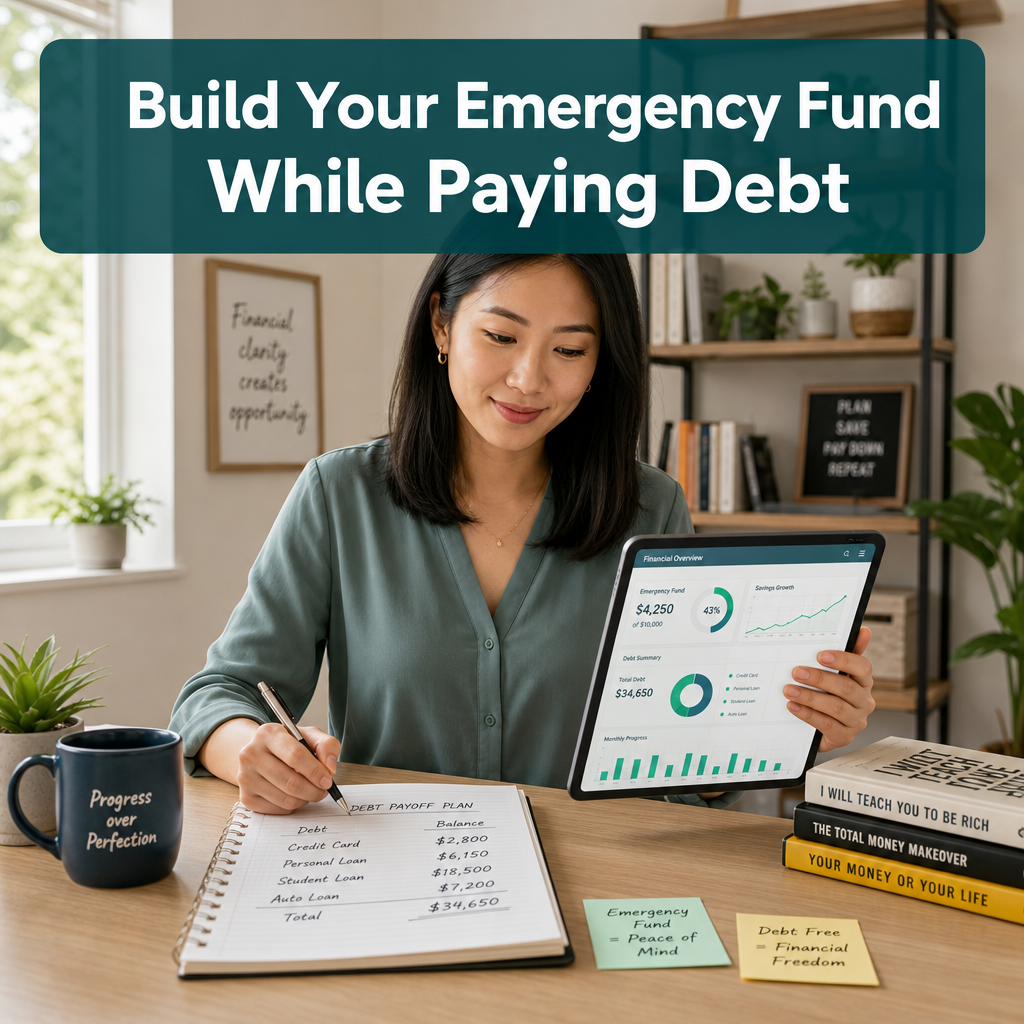
Many people feel trapped between two critical financial goals: paying down suffocating debt and establishing a protective emergency fund. If you’re wondering how to build an emergency fund while managing debt, the quick answer is that you should tackle both, starting with a smaller, foundational emergency fund to prevent new debt, then aggressively paying down high interest debt, and finally building a fully funded emergency savings. It’s a strategic dance that prioritizes immediate stability while setting the stage for long term financial freedom.
Key Takeaways
- Prioritize a small, initial emergency fund (e.g., $500-$1,000) before aggressively tackling debt to prevent financial setbacks from forcing you into more debt.
- Understand your debt landscape by listing all debts, interest rates, and minimum payments to choose an effective payoff strategy like the debt snowball or avalanche method.
- Cut unnecessary expenses ruthlessly and find proven ways to boost your income to free up more cash for both debt repayment and savings.
- Automate your savings and debt payments to ensure consistent progress, treating your emergency fund contribution like any other bill.
- Regularly review and adjust your budget and financial plan, especially as your income or expenses change, to stay on track in 2026.
- Consider high-income skills or remote jobs to significantly accelerate your emergency fund growth and debt elimination.
- Avoid the common mistake of either ignoring an emergency fund completely or trying to fully fund it before addressing high-interest debt.
- Leverage legitimate online opportunities for quick cash to bolster your emergency fund without investment.
Why You Need to Build an Emergency Fund (Even With Debt)
You absolutely need to build an emergency fund even when you have debt because it acts as your first line of defense against financial shocks, preventing new debt from piling up. Without one, unexpected expenses like a car repair or a medical bill inevitably force you back into borrowing, undoing any progress you’ve made on your existing debt.
Think of it this way: your emergency fund is your financial safety net. Imagine hitting a financial pothole, a sudden job loss, an unexpected home repair, or an urgent medical expense. If you don’t have readily available cash, you’ll likely turn to credit cards or other high-interest loans, pushing you deeper into the debt cycle. A small emergency fund (typically $500-$1,000) provides just enough cushion to cover these minor surprises without derailing your debt payoff plan. It gives you peace of mind and prevents a small hiccup from becoming a major financial crisis. This initial fund isn’t about saving for retirement; it’s about protecting your present.
How to Build an Emergency Fund: The Debt vs. Savings Strategy
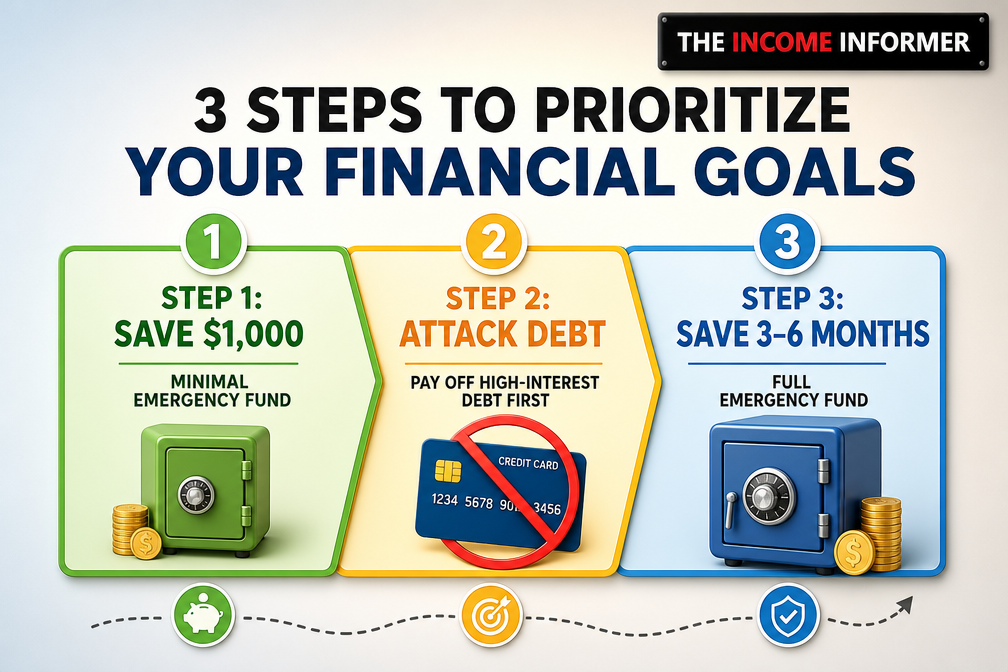
The key to building an emergency fund while paying off debt involves a strategic, phased approach that prioritizes immediate protection before aggressive debt reduction. First, establish a mini emergency fund, then attack high-interest debt, and finally, build your full emergency savings.
Here’s a breakdown of the proven way to approach this:
- Phase 1: Build a Starter Emergency Fund (e.g., $500-$1,000)
- The Goal: This initial fund is your “debt-prevention fund.” Its purpose is to cover small, unexpected expenses without resorting to credit cards.
- Why It’s Critical: Without this buffer, you’re one flat tire away from adding more to your existing debt. It creates stability.
- Actionable Step: Find ways to cut non-essential spending for a month or two, or take on a quick side hustle to raise this initial amount quickly. Think about “easy remote jobs that pay well” or “make $500 fast” strategies you can implement.
- Phase 2: Aggressively Attack High-Interest Debt
- The Goal: Once your mini emergency fund is secure, shift your focus to eliminating high-interest debt (e.g., credit cards, personal loans).
- Why It’s Critical: High interest rates are financial quicksand, eating away at your money and making it harder to get ahead. Every dollar you pay towards a 20% interest rate saves you more than a dollar saved in a low-interest savings account.
- Actionable Step: Choose a debt payoff strategy.
- Debt Avalanche: Pay off debts with the highest interest rates first, regardless of balance. This saves you the most money in the long run.
- Debt Snowball: Pay off debts with the smallest balances first to gain psychological momentum. Seeing debts disappear quickly can be highly motivating.
- Maximize Your Earning Potential: To accelerate this phase, explore legitimate ways to boost your income. This could include freelancing, leveraging “secret websites to make money,” or starting a profitable online business. For advice on getting started, check out our guide on How To Make Money Online For Beginners-15 Proven Ways.
- Phase 3: Build Your Full Emergency Fund (3-6 months of living expenses)
- The Goal: With high-interest debt mostly gone, it’s time to build a robust emergency fund that can cover 3-6 months (or even more, depending on your risk tolerance) of your essential living expenses.
- Why It’s Critical: This larger fund provides significant security against major life events like job loss, long-term illness, or a serious family emergency.
- Actionable Step: Redirect the money you were previously allocating to high-interest debt payments directly into your emergency savings account. Continue to look for ways to increase your income to speed up this process.
How to Find Money to Build an Emergency Fund and Pay Debt
Finding extra money to build an emergency fund and pay off debt requires a combination of disciplined budgeting, expense reduction, and maximizing your earning potential. It’s about creating a surplus wherever you can.
Here are proven ways to free up cash:
1. Ruthlessly Cut Expenses
This is often the quickest way to find immediate funds. Go through your budget with a fine-tooth comb.
- Review Subscriptions: Cancel any unused streaming services, gym memberships, or apps. Even small monthly fees add up.
- Dining Out: Significantly reduce restaurant meals, takeout, and expensive coffee runs. Pack lunches and cook at home.
- Entertainment: Opt for free or low-cost entertainment options. Movie nights at home instead of the cinema, park visits instead of expensive outings.
- Transportation: Explore carpooling, public transport, or biking if feasible.
- Negotiate Bills: Call your internet, cable, and insurance providers to see if you can get a better rate. Don’t be afraid to switch providers if they won’t budge.
- DIY: Learn to do simple repairs or tasks yourself instead of paying for services, where safe and practical.
2. Boost Your Income with Proven Ways
This is where The Income Informer shines. Increasing your income can dramatically accelerate your financial goals without feeling like you’re sacrificing everything.
- Freelancing and Gig Work: Platforms like Upwork (or Upwork alternatives) and Fiverr allow you to offer skills like writing, graphic design, virtual assistance, or web development. Many people find success with “captioning jobs for beginners” or “virtual assistant jobs for beginners in 2026.”
- Online Surveys & Apps: While not high-paying, apps like Swagbucks or Survey Junkie can provide quick, small amounts of cash in your spare time. Explore our list of 15 Highest Paying Apps To Help You Grow Your Income (2026) for legitimate options.
- Sell Unused Items: Declutter your home and sell clothes, electronics, furniture, or collectibles on platforms like eBay, Facebook Marketplace, or local consignment shops.
- Side Hustles: Consider driving for a ride-share service, delivering food, pet-sitting, or tutoring online. There are many “side hustles for retirees to earn extra income” or “side hustles for teachers” that apply to anyone looking to boost income.
- Develop High-Income Skills: Invest time in learning skills that are in demand. Our guide on “20 Powerful High Income Skills Worth Learning In 2026” can give you a roadmap for maximizing your earning potential.
- Profitable Online Business: Look into starting a dropshipping business, blogging, or affiliate marketing. These options can generate significant income over time, often “without investment” or with very low upfront capital. Learn more about “How To Make Money Dropshipping: Step By Step Guide (2026)” or “How To Earn Money Online Without Investment (Proven Ways).”
3. Automate Your Finances
Set up automatic transfers from your checking account to your emergency savings account and automatic payments for your debts. This ensures consistency and reduces the temptation to spend the money. Even small, regular transfers add up over time.
How to Stick to Your Plan: Budgeting and Tracking
Sticking to your plan for building an emergency fund and paying off debt requires a solid budget and consistent tracking of your progress. A budget is more than just numbers; it’s a roadmap that tells your money where to go, ensuring every dollar has a job.
1. Create a Realistic Budget
- Track Everything: For at least a month, meticulously track every dollar you spend. This reveals where your money is actually going versus where you think it’s going. Many people are surprised by how much they spend on discretionary items.
- Categorize Expenses: Group your spending into categories like housing, food, transportation, debt payments, and savings.
- Allocate Income: Assign a specific amount from each paycheck to your emergency fund, debt payments, and other necessary expenses.
- Use Tools: Employ budgeting apps (we have a guide on the “5 Best Budgeting Apps In 2026“), spreadsheets, or even pen and paper. The best tool is the one you’ll actually use.
- Be Realistic: Don’t cut so drastically that you feel deprived and give up. Find a balance that allows for progress without making you miserable.
2. Prioritize Debt Payments
Once your starter emergency fund is in place, structure your budget to make extra payments on your chosen target debt.
- Minimum Payments First: Always make at least the minimum payment on all your debts to avoid late fees and negative credit score impact. For tips on improving your credit, see “How To Improve Your Credit Score Quickly: 10 Proven Strategies.”
- Targeted Extra Payments: Direct any extra money you find (from expense cuts or increased income) to your target debt. If using the debt avalanche, this means the highest interest rate. If using the debt snowball, it’s the smallest balance.
- Debt Repayment Strategies: Explore resources like “Best Ways To Pay Off Credit Card Debt In 2026” for detailed strategies.
3. Track Your Progress Regularly
Seeing your emergency fund grow and debt balances shrink is incredibly motivating.
- Visual Aids: Use charts, graphs, or debt payoff trackers to visualize your progress.
- Monthly Check-ins: Review your budget and financial statements monthly. Are you sticking to your plan? Are there new opportunities to save or earn more?
- Celebrate Milestones: Acknowledge small victories, like hitting your starter emergency fund goal or paying off a small debt. This positive reinforcement keeps you going.
Common Mistakes to Avoid When Building an Emergency Fund
When trying to build an emergency fund while paying off debt, many people fall into traps that can hinder their progress. Avoiding these common mistakes can keep you on the fast track to financial stability.
1. Ignoring the Starter Emergency Fund
One of the biggest blunders is to focus solely on debt repayment without establishing any emergency savings first. This leaves you vulnerable. Without a cash buffer, the moment an unexpected expense hits (and it will), you’ll likely put it on a credit card, accumulating new debt and undermining your efforts. Always get that initial $500-$1,000 saved first.
2. Not Understanding Your Debt
Simply paying minimums without a clear strategy is another common mistake. If you don’t know your interest rates, total balances, and payment due dates, you can’t optimize your payoff plan. You might be making extra payments on a low-interest debt when a high-interest one is costing you significantly more. Take the time to list all your debts and understand their terms.
3. Cutting Too Much, Too Fast
While cutting expenses is crucial, being overly aggressive can lead to burnout. If you eliminate every single discretionary expense, you might feel deprived and ultimately abandon your plan. Find a balance that allows for progress but also includes a small amount for enjoyment, preventing financial fatigue.
4. Relying Solely on Cutting Expenses
Many people focus exclusively on cutting expenses, missing out on the immense potential of increasing their income. There’s a limit to how much you can cut, but there’s often much more room to grow your earnings. Exploring “legitimate work from home jobs” or building a “profitable online business” can provide a much bigger boost to your financial goals than just scrimping.
5. Not Automating Your Savings and Payments
Manually transferring money to savings or making debt payments can lead to inconsistency. Life gets busy, and it’s easy to forget or decide to spend the money elsewhere. Automating these transfers ensures that your financial plan stays on track without constant manual effort.
6. Mixing Emergency Funds with Other Savings Goals
Your emergency fund should be easily accessible but separate from your regular checking account, and it should not be earmarked for anything else. Don’t confuse it with savings for a down payment, vacation, or retirement. Its sole purpose is emergencies. Keep it in a separate, easily accessible savings account, perhaps even at a different bank, to avoid temptation.
Where to Keep Your Emergency Fund
When you’re determining how to build an emergency fund, deciding where to keep the money is as important as saving it. The goal is to find a spot that offers both safety and easy access, but also separates it from your daily spending.
Here are the best options for your emergency fund:
- High-Yield Savings Account (HYSA):
- Why it’s great: HYSAs typically offer significantly higher interest rates than traditional savings accounts, meaning your money grows a little faster. They are liquid, so you can access your funds easily when needed.
- Considerations: Interest rates can fluctuate, but the money is FDIC-insured (up to federal limits in the US).
- Example: Many online banks offer competitive HYSA rates.
- Money Market Account:
- Why it’s great: Money market accounts are similar to HYSAs but sometimes offer slightly higher interest rates or check-writing privileges. They also provide easy access to your funds.
- Considerations: They may have minimum balance requirements or limit the number of transactions per month.
- Example: For those in certain regions, checking options like “15 Best Money Market Funds In Kenya (2026)” can be useful.
Where NOT to keep your emergency fund:
- Checking Account: While easily accessible, a checking account makes it too easy to accidentally spend your emergency cash. It also typically earns little to no interest.
- Investments (Stocks, Mutual Funds, Crypto): These are too volatile for an emergency fund. The value can drop significantly right when you need the money, turning an emergency into a crisis. Your emergency fund needs to be stable and predictable.
- CDs (Certificates of Deposit): While CDs offer fixed interest rates, they lock up your money for a specific period. Withdrawing early incurs penalties, which defeats the purpose of an easily accessible emergency fund.
The ideal location for your emergency fund prioritizes liquidity and safety over maximum returns. You want to be able to get your hands on that money quickly without penalties or worrying about its value dropping.
Maximizing Your Earning Potential to Accelerate Progress

Maximizing your earning potential is one of the most powerful strategies to accelerate both emergency fund growth and debt repayment. While cutting expenses has its limits, increasing your income offers significantly more leverage. This is where the world of online income truly shines for anyone asking how to build an emergency fund.
Here are proven ways to boost your income:
- Freelance Work:
- How it helps: You can offer services like writing, graphic design, web development, virtual assistance, or social media management on platforms like Upwork, Fiverr, or even through your own network. This provides flexible income that can be directly channeled to your financial goals.
- Getting Started: Look for “easy remote jobs that pay well” or “captioning jobs for beginners” to get your foot in the door. Many of these require minimal upfront investment. Our guide to “Best Virtual Assistant Jobs For Beginners In 2026” can be a great starting point.
- Gig Economy & Side Hustles:
- How it helps: Activities like driving for rideshare, food delivery, pet-sitting, or task-based apps can provide quick cash. These are often perfect for generating “make $500 fast” money.
- Legitimate Options: Explore opportunities that fit your schedule and skills. Check out resources like “15 Best Earning Apps Without Investment (2026)” for ideas.
- Selling Online:
- How it helps: Sell unused items from around your house on platforms like eBay, Facebook Marketplace, or specialized sites. You can also venture into dropshipping or print-on-demand for a more consistent income stream.
- Without Investment: Many “profitable online business” models, like dropshipping, can be started with very little upfront capital. Read “How To Make Money Dropshipping: Step By Step Guide (2026)” to understand the process.
- Monetizing Skills and Hobbies:
- How it helps: Turn a skill you already have into an income source. This could be teaching online, offering consulting, or creating digital products.
- High-Income Skills: Focus on developing skills that are in high demand. Our article on “20 Powerful High Income Skills Worth Learning In 2026” highlights valuable capabilities that can significantly increase your earning power.
- Online Surveys and Micro-Tasks:
- How it helps: While individual tasks pay little, they can add up over time and are perfect for filling small pockets of free time. These are “secret websites to make money” that often fly under the radar.
- Reliable Platforms: Look into trusted survey sites or micro-task platforms. Many can be done “without investment” and provide quick payouts.
By actively pursuing one or more of these income-generating strategies, you can significantly reduce the time it takes to build your emergency fund and crush your debt. It’s about taking proactive steps to create financial opportunities, not just waiting for them to appear.
Conclusion
Building an emergency fund while diligently paying off debt isn’t just possible; it’s a smart, strategic pathway to lasting financial security. By prioritizing a small, initial safety net, you protect yourself from new debt, allowing you to then aggressively tackle high-interest loans with renewed focus. The process demands discipline in budgeting, courage in cutting expenses, and ambition in maximizing your earning potential through legitimate online opportunities.
Take action today: start by setting aside that first $500-$1,000, then identify your highest-interest debt and commit to an aggressive payoff plan. Explore side hustles, freelance gigs, or profitable online businesses to accelerate your journey. This isn’t just about managing money; it’s about reclaiming your financial freedom and building a secure future in 2026 and beyond.
Related Articles
Best Ways To Pay Off Credit Card Debt In 2026
How To Earn Money Online Without Investment (Proven Ways)
15 Best Earning Apps Without Investment (2026)
20 Powerful High Income Skills Worth Learning In 2026
FAQ
Is it better to pay off debt or save for an emergency fund first?
It’s generally better to save a small, starter emergency fund (e.g., $500-$1,000) first to cover minor emergencies. This prevents unexpected expenses from forcing you deeper into debt, after which you can aggressively tackle high-interest debt.
How much should my emergency fund be if I have debt?
Start with a smaller “mini” emergency fund of $500-$1,000. Once high-interest debt is paid off, aim for a full emergency fund covering 3-6 months of essential living expenses.
Can I build an emergency fund on a low income?
Yes, you can. It requires disciplined budgeting, aggressive expense cutting, and seeking out additional income streams, such as side hustles or remote work, to make consistent contributions, even if they are small.
What are some quick ways to get money for an emergency fund?
Quick ways include selling unused items, taking on gig economy jobs (delivery, rideshare), completing online surveys, or doing freelance micro-tasks. Many “secret websites to make money” offer fast payouts for small tasks.
Should I put my emergency fund in a regular savings account?
It’s better to keep your emergency fund in a separate high-yield savings account or money market account. These offer slightly higher interest rates than regular savings accounts while still providing easy access to your funds, and they separate the money from your daily spending.
How do I balance debt payments and emergency savings?
Balance by first establishing a small emergency fund, then focusing the majority of your extra money on paying down high-interest debt. Once that debt is largely eliminated, shift your focus to fully funding your emergency savings.
How can I stop dipping into my emergency fund?
To stop dipping into your emergency fund, ensure it’s in a separate account from your daily banking, only use it for true emergencies, and reinforce good budgeting habits to cover regular expenses without touching savings.